OperationalizeContinuousThreatExposureManagement
WithKnightGuard
KnightGuard is an AI-native & risk-centric exposure management platform that continuously discovers, correlates, validates, and prioritizes cyber risk, enabling security teams to make faster, evidence-based decisions.
CISO
See enterprise cyber risk, prioritize what matters, and communicate business impact with confidence.
SOC Leader
Validate security controls, prioritize exploitable threats, and accelerate response.
MSSP / Partner
Deliver continuous exposure management across customer environments from one unified platform.
of "Critical" vulnerabilities are not actually reachable by an attacker. SOC analyst efforts wasted on noise
of EDR/SlEM/firewall controls fail silently due to misconfiguration or drift
reduction in MTTR achievable through Al-driven agentic workflows
annual growth rate of the enterprise attack surface in 2026
TrustedBySecurityTeamsBuildingContinuousResilience
Powering autonomous threat exposure management for enterprises worldwide













TheCompleteCTEMLifecycle.
PoweredByKnightGuard.
KnightGuard is designed for modular flexibility. Customers can start modestly with a single module and expand seamlessly without big-bang deployments or lengthy engagement cycles.
Scoping
ACTIVEDefine which assets, environments, and attack surfaces to assess.
Scoping
ACTIVEDefine which assets, environments, and attack surfaces to assess.
PainPointsACTEMProgram
MustSolve
Tools / Dashboard Sprawl
VM, TIP, BAS, EASM, SIEM, ITSM, CSPM, dark-web monitoring, Detection Engineering, Threat Hunting, Phishing, and Risk Management run as siloed point tools with no shared data model and teams reconcile spreadsheets instead of acting on one risk-prioritised view. CTEM should unify and provide a single pane of glass view of the business risk to the leadership.
Sovereignty
Sovereignty is no longer only about where data is stored. It is about proving continuous control over the systems, suppliers, and jurisdictions that touch it. Continuous Threat Exposure Management (CTEM) turns that obligation into an operational discipline. This helps CISOs show not only that their data is sovereign, but that their security posture is too, continuously and with evidence rather than through point-in-time compliance snapshots.
AI vs AI Defense
CTEM Program should enable defenders against AI-speed threats using Autonomous Agentic Skills with human in loop and AI guardrails in place. A centralised AI Native Security workbench helps to match the speed, scale, and adaptability of AI-driven attacks. CTEM should be a catalyst to provide an AI Native capability to enable AI compressing identification-to-detection-to-response cycle from hours to seconds.
Risk-Centric Exposure Management
CTEM should help organisations bring vulnerabilities, misconfigurations, identities, attack paths, threat activity, asset criticality, and existing controls into a unified frame of reference to understand the real risk of exploitation.
OneAI-NativePlatform.
FiveIntegratedModules.
KnightGuard combines unified vulnerability management, threat informed defense, unified exposure validation, and unified risk management & quantification into one AI-native platform that powers every stage of continuous threat exposure management.
Unified Vulnerability Management
Consolidate vulnerability data across multiple scanners, eliminate duplicate findings, and prioritize exploitable exposures using AI-driven intelligence.
Key Capabilities
- Attack Surface Management
- Cloud Misconfiguration Detection
- Dark Web Monitoring
- Multi-Scanner Normalization
- AI-Driven Vulnerability Prioritization
THEDAYINTHELIFEOFACISOBEFOREVSAFTERCTEM
See how KnightGuard transforms fragmented security operations into a business-driven CTEM program with continuous visibility, prioritization and validation.
BEFORE
More noise. Higher risk.
AFTER
Measurable impact.
Scope Business Risk
Business priorities, target state and 30/60/90-day outcomes are clearly defined.
Unify Discovery
External, internal, cloud, control, threat and identity findings are brought into one view.
Prioritize What Matters
Threat intelligence, asset criticality and de-duplication focus teams on the gaps that reduce risk most.
Continuously Validate
Controls, detections, attack paths and phishing resilience are tested to prove what works.
Mobilize & Report
Owners, actions and executive dashboards show measurable risk reduction and next steps.
From business priorities to technical action — all in one CTEM lifecycle.
What's Your Top Security Priority Right Now?
Select a priority below. We'll recommend the right KnightGuard capabilities based on your organization's security goals.
AI-vs-AI Defense
Defend against AI-driven adversaries with AI-native, risk-centric security that continuously prioritizes, validates, and mobilizes against real-world threats.
Build Your CTEM Program
Build Continuous Threat Exposure Management step by step with KnightGuard—from discovery and prioritization to validation, remediation, and measurable risk reduction.
Agentic Security Operations
Move from isolated AI agents to an orchestrated security team with Vizier AI coordinating investigation, automation, and security workflows.
HowKnightGuardWorks.
5-StepContinuousDecisionLifecycle.
Transform raw vulnerability noise into prioritized action with our automated 5-stage Gartner CTEM lifecycle, orchestrating continuous surface scoping through monetary risk quantification.
Business sets the risk priorities. Security translates them into measurable exposure outcomes.
Define What Matters Most to the Business
Scoping is business-led: agree the risks that matter, benchmark the current posture, and set measurable improvement outcomes before technology decisions begin.
- •Select the business services and outcomes that matter most.
- •Define material loss scenarios and risk appetite.
- •Assess current capabilities against an industry-relevant framework.
- •Make strengths, gaps and control priorities visible.
- •Establish current vs. target risk posture.
- •Set 30/60/90/120-day improvement milestones.
Discover, Correlate & Unify Technical Gaps
Translate business priorities into technical discovery by identifying exposures across every surface and bringing them into one normalized view.
- Find gaps across internal, external, cloud and control surfaces
- Correlate technical findings to scoped business priorities
- Unify signals from exposure, threat and identity intelligence
- Prepare a consistent input for Prioritization
Prioritize What Reduces Business Risk Most
Bring business and technical owners together to identify which security gaps will deliver the highest impact on reducing business risk.
- De-duplicate findings across exposures, controls and vulnerabilities
- Correlate priorities with real-world threat intelligence
- Map technical findings to business asset criticality
- Create a consistent decision layer for remediation and validation
Continuously Validate Controls, Detections & Attack Readiness
Validation is the hard-core technical phase of CTEM, where expert teams prove whether critical controls, detections and attack assumptions hold up in the real world.
Automate Remediation and Continuously Verify Fixes
Automate remediation workflows, push instant tickets to Jira or ServiceNow, execute firewall and EDR controls, and verify fix completion through closed-loop re-scans.
TopStories&Insights
Explore the latest whitepapers, webinars, and announcements from the knightGuard CTEM research labs.
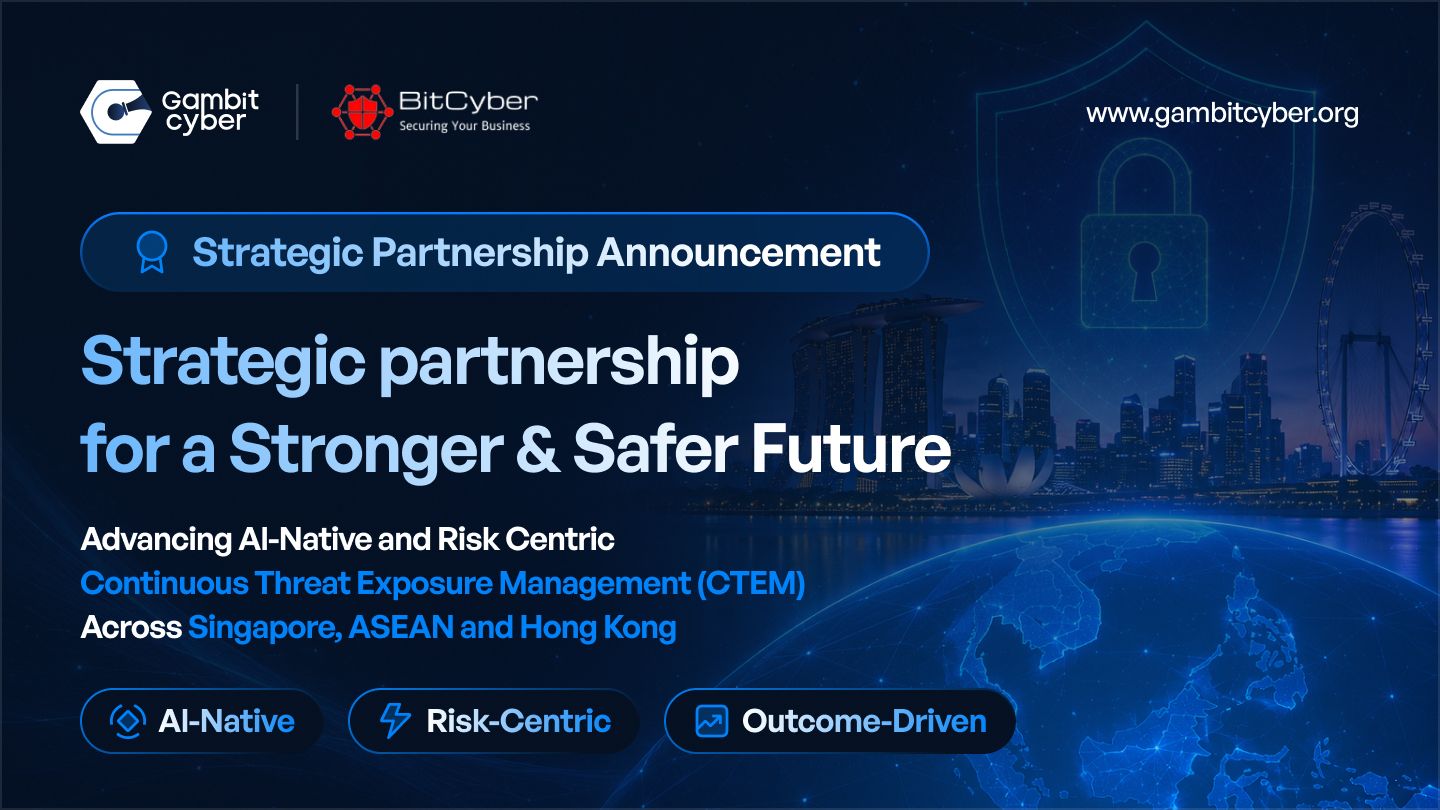
Gambit Cyber Announces Strategic Partnership with BitCyber to Advance AI-Native and Risk-Centric CTEM Across Singapore, ASEAN and Hong Kong
Gambit Cyber
June 16, 2026
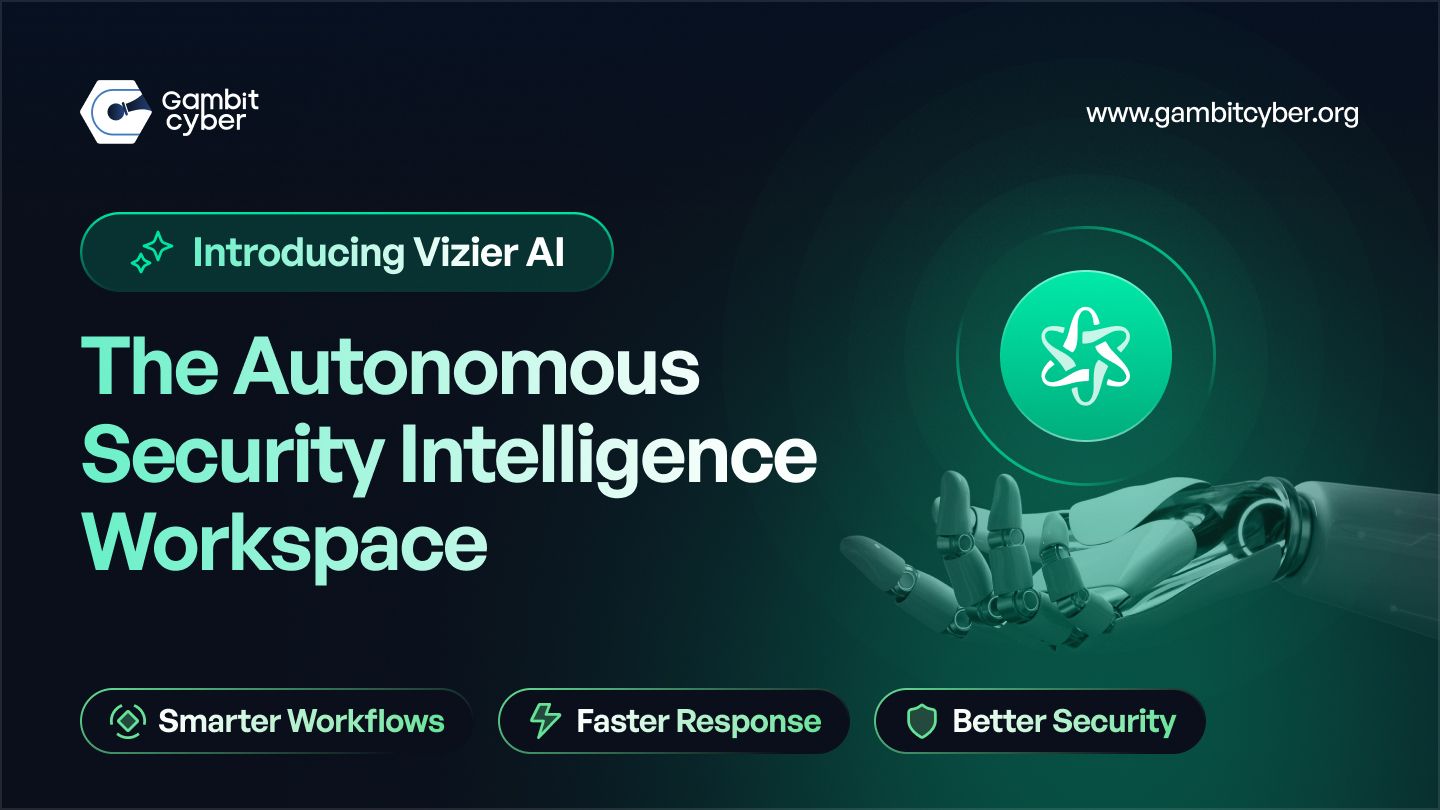
Gambit Cyber Launches Vizier AI – An Autonomous Security Intelligence Workspace for Continuous Exposure Management
Gambit Cyber
June 3, 2026
Gambit Cyber Partners with iValue to Scale AI-Driven Threat-Informed Defence Across Indian Enterprises
Gambit Cyber
February 12, 2026
Ready to level up your cyber defence?
Supports modern enterprises with agentic AI discovery, real-time threat validation, and autonomous exposure prioritization.